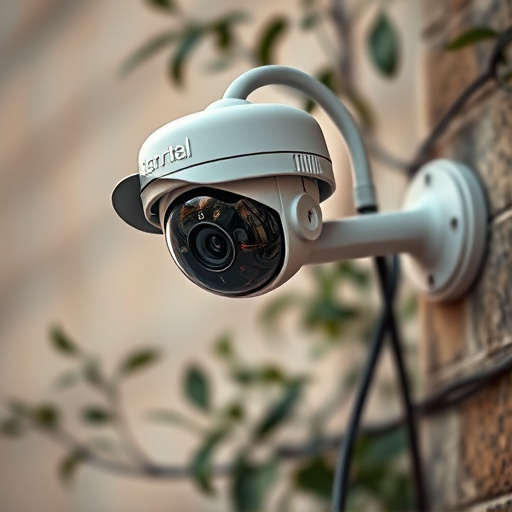
Imitation security cameras, with strategic lighting considerations, act as powerful visual deterrents for home and business security. Effective fake camera placement incorporates natural or artificial lighting, particularly during daytime using LED lights that mimic daylight and nighttime utilizing infrared/low-light sensors. Positioning lights slightly downward adds realism and highlights unusual activity. This method is affordable, enhances surveillance, and promotes vigilance in public spaces, residential areas, and businesses, with notable applications in retail stores to prevent shoplifting. However, adherence to legal and ethical standards regarding device visibility and labeling is crucial.
“Uncover the power of deception with imitation security cameras—a game-changing tool for enhancing home and business safety. This article explores the concept behind these fake devices, revealing how they work as powerful deterrents against potential criminals. From strategic placement to lighting considerations, we guide you through the art of positioning these cameras for maximum effect.
Learn about their practical applications, from residential properties to commercial spaces, and understand the legal and ethical implications surrounding their use. Discover why these devices are a smart investment in personal security.”
- Understanding Imitation Security Cameras: Unveiling the Concept
- Fake Camera Placement: Strategies for Effective Deterrence
- Lighting Considerations: Enhancing the Illusion for Maximum Impact
- Practical Applications: Where and Why to Use These Devices
- Legal and Ethical Aspects: Navigating the Grey Areas
Understanding Imitation Security Cameras: Unveiling the Concept
Imitation security cameras, often called fake or decoy cameras, are an innovative and increasingly popular tool for enhancing home and business security. These devices are designed to look like real security cameras but serve as a visual deterrent rather than active surveillance tools. Understanding how these cameras work and their strategic placement is key to maximizing their effectiveness.
When it comes to imitation camera placement, lighting considerations play a crucial role. Similar to actual security cameras, these fake cameras require adequate lighting to capture clear images. Strategically positioning them near well-lit areas or using artificial lighting to mimic natural light can significantly enhance their visual impact. Proper lighting ensures that potential intruders are deterred by the presence of an active surveillance system, even if the camera itself is not recording.
Fake Camera Placement: Strategies for Effective Deterrence
The placement of imitation security cameras, or fake cameras, is a strategic art in deterring potential criminals. When integrated into a property’s security system, these devices serve as powerful visual deterrents, often fooling would-be intruders with their realistic appearance and positioning. To maximize effectiveness, consider the following lighting strategies:
Emulate natural light by incorporating bright, well-placed indoor lighting that illuminates entry points and vulnerable areas. This can make it harder for criminals to hide or ignore the presence of security cameras. Additionally, strategically positioned outdoor lights can deter crime around the perimeter of a building, as criminals often prefer darker areas for cover. Adjusting lighting levels according to time of day and weather conditions is key; ensuring bright illumination during peak activity and potential crime hours sends a clear message that your property is under surveillance.
Lighting Considerations: Enhancing the Illusion for Maximum Impact
Imitation security cameras, strategically placed with proper lighting considerations, can significantly enhance the sense of surveillance and deter potential intruders. When it comes to fake camera placement, lighting plays a pivotal role in creating an authentic illusion. The key is to mimic natural light conditions as closely as possible, ensuring the fake cameras appear realistic during both day and night.
Consider using LED lights that replicate the color temperature of ambient daylight for daytime simulations. For nighttime effects, infrared or low-light sensors can activate subtle, yet convincing, illumination from the camera lenses. Proper positioning is crucial; aiming these lights slightly downward creates shadows that add to the realism. This technique not only enhances the overall illusion but also helps in identifying any unusual activity by drawing attention to potential points of interest.
Practical Applications: Where and Why to Use These Devices
Imitation security cameras, often referred to as fake or decoy cameras, offer a practical and cost-effective solution for enhancing security in various settings. These devices are particularly useful for deterring crime and creating a sense of vigilance in public spaces, residential areas, and even businesses. One of the primary applications is in retail stores where they can be strategically placed to discourage shoplifting and create an environment that discourages dishonest behavior.
When considering the placement of fake cameras, lighting plays a crucial role. Well-lit areas are ideal as bright lighting increases their effectiveness by making it harder for potential intruders to remain unseen. In outdoor settings, these cameras can be nestled in strategically chosen locations along fences or walls, while indoors, they might be mounted on ceilings or near entrances and exits. The key is to ensure the camera’s visibility, mimicking real surveillance equipment, which serves as a powerful deterrent without the need for extensive security measures.
Legal and Ethical Aspects: Navigating the Grey Areas
While imitation security cameras with motion activation offer an affordable option for home and business owners looking to enhance their security, it’s crucial to understand the legal and ethical grey areas surrounding their use. The placement of fake cameras, often disguised as real ones, must adhere to local laws and regulations regarding surveillance and privacy. For instance, some jurisdictions have strict rules on the visibility and labeling of such devices to ensure transparency.
Lighting considerations also play a significant role in this context. Imitation cameras should be strategically placed to mimic natural lighting conditions to avoid raising suspicions. Additionally, proper lighting can help enhance the camera’s sensitivity and improve image quality, ensuring better evidence capture during potential security incidents. However, excessive or unusual lighting setups could trigger concerns about privacy invasion and surveillance practices.
Imitation security cameras, with their strategic placement and realistic design, offer a powerful deterrent for potential criminals. By combining effective fake camera placement with thoughtful lighting considerations, property owners can create an illusion of surveillance that significantly enhances overall security. While these devices provide legal and ethical considerations to keep in mind, their practical applications are vast, making them a valuable tool for protecting homes, businesses, and public spaces alike.